RankPulse Blog
Google Algorithm Update May 2026: Your Paid Links Are the Liability
 By Zahid · Founder, RankPulse · Published 2026-07-08
RankPulse Blog
By Zahid · Founder, RankPulse · Published 2026-07-08
Your rankings held steady for eight months. Then three of your money pages dropped from page one to page four in a single week. You didn't touch the content. You didn't change hosting. The only thing that moved was your link profile, and that's exactly where Google's May 2026 core update, followed by the June spam update, went looking.
Data note: the sample and inventory figures in this article come from RankPulse's own tracking of guest-post marketplaces and our 19k-domain database, not an independent industry study.
SEO trade press called it early: the May 2026 core update leaned hard on product and review content, punishing thin affiliate pages and inflated review scores. That was phase one.
By late June, Google had finished rolling out a dedicated spam update. A separate ranking shift on June 19th looked aimed squarely at black hat link networks. Read Google's own spam policies page and the pattern is consistent: they're not chasing individual links anymore, they're chasing the networks that produce them at scale.
If you bought links between 2023 and 2025 assuming DA and DR were the only boxes to tick, this update cycle is testing that assumption. For a lot of link portfolios, it's failing the test. We covered the mechanics of that spam update in more detail in our breakdown for link buyers, worth a read if you bought links through a marketplace rather than a vetted service.
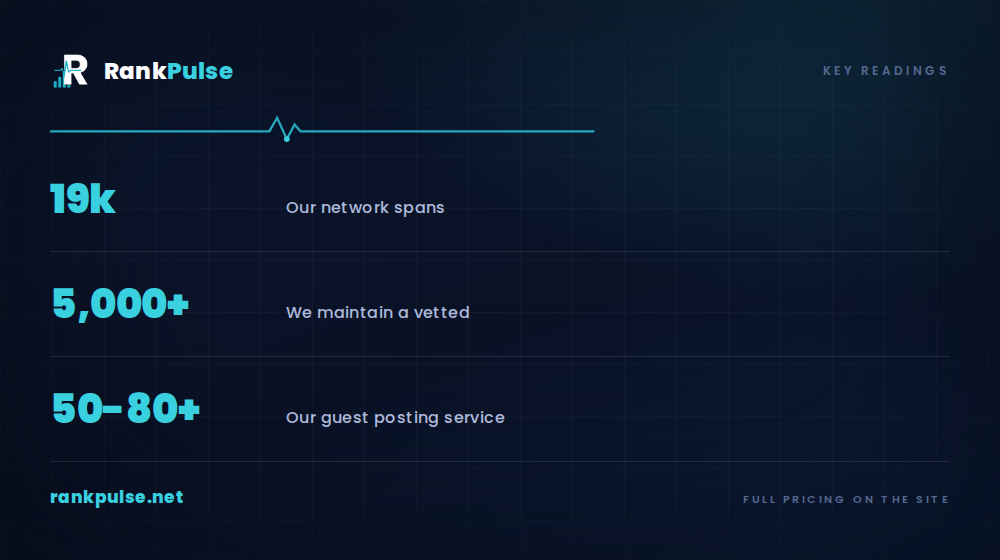
We run a database of 19,000 domains, analyzed for link quality, traffic patterns, and editorial behavior. Most of them wouldn't survive a manual review today.
Pull a random 550-site sample from a typical marketplace and the median numbers look respectable on paper: DA 49, DR 63. Nothing screams spam.
DA is Moz's metric, not Google's. Use it to shortlist: the real test is organic traffic trend, topical relevance, and editorial behavior.
But a median hides the mess underneath it. A DA 49 site can be a real publication with an editor who actually reads submissions, or it can be a template WordPress install that swaps its homepage content every few months to dodge detection. The metric alone doesn't tell you which one you're buying, and that's the gap Google's newer systems are built to close.
83% of the guest post sellers in our sample charge $100 or less per placement. That price point isn't a bargain. It's a warning label.
Real editorial review takes time. Someone has to read the draft, check it fits the site's actual audience, and decide whether it's worth publishing next to the site's other content.
That process costs money. A site clearing $100 a placement is usually skipping most of it.
Run the math at volume: 40 placements a month at $80 each is a business optimized for turnover, not readers. That's precisely the pattern Google's spam systems are tuned to spot: content that exists to hold a link, not to inform anyone who lands on the page.
37% of our inventory carries DR 70+. On paper that sounds like the safe tier. It isn't automatic.
Take reibootpro.com: DA 77, DR 82, around 12.8K monthly visitors, guest post priced at $50. Now look at metapress.com: DA 49, DR 81, roughly 130
Level 2 Fiverr seller with 181+ delivered orders and a 5.0 rating. Has vetted 5,000+ guest-post sites from a 19,000-domain database since 2024. Fiverr profile · zahid@rankpulse.net
Send your niche and budget. Matching sites with DA/DR/traffic and prices within hours.
Email zahid@rankpulse.net WhatsApp Us